
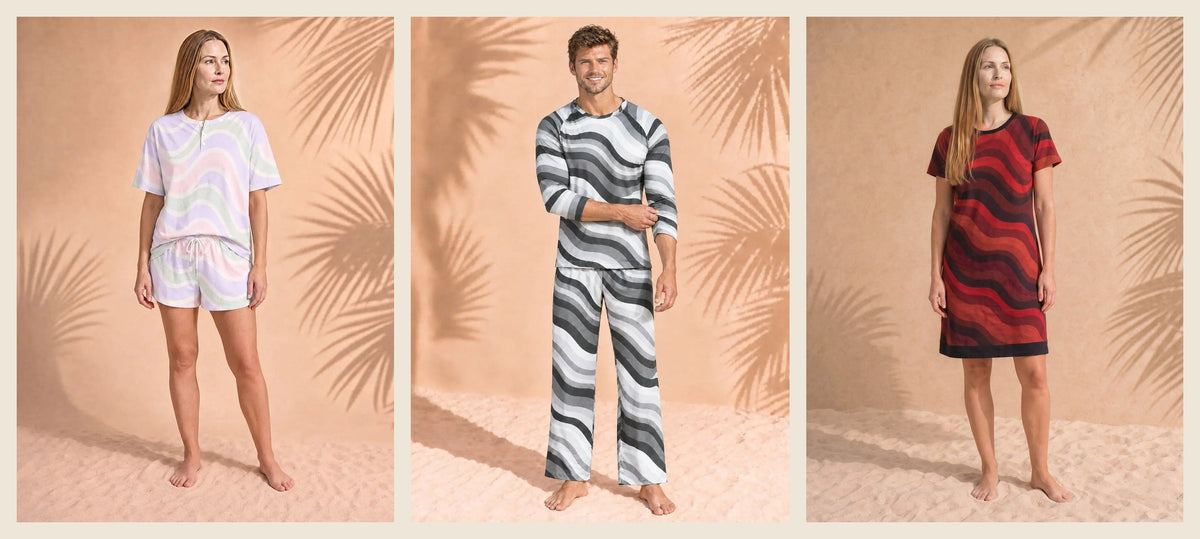
The best inclusive sizing trends are easy to spot at 8 a.m., when you are making coffee in a favorite set, and again at 8 p.m., when someone texts about dinner. The fabric still feels good. The waistband is not negotiating with you. The shirt does not suddenly look like sleepwear just because you left the house. That is the standard: clothing that fits real bodies and real plans, not just a size chart.
For years, “inclusive” was often used as shorthand for adding a few more numbers to a label. More options matter, of course. But a longer size run is only the beginning. A garment can technically be available in multiple sizes and still miss the point if the cut, proportions, imagery, or shopping experience suggests only one kind of person was considered.
The shift happening now is more thoughtful. Shoppers are looking past the label to ask better questions: Does this piece account for different body shapes? Can I tell how it is meant to fit? Is there enough information to buy confidently online? And, just as importantly, do I get to wear color, print, and polish without being pushed toward a separate, less interesting corner of the store?
Inclusive sizing trends are moving beyond the size range
A wider range is still meaningful. It gives more people a place to start. Yet fit is not linear, and bodies do not grow in neat, identical increments from one size to the next. Simply enlarging a sample garment can create familiar problems: sleeves that become too long, shoulders that sit in the wrong place, rises that feel off, or a silhouette that loses its intended shape.
The more considered approach is body-specific design. That can mean adjusting proportions across a range rather than scaling everything equally. It can mean recognizing that a relaxed pajama shirt still needs a shoulder line that feels intentional, or that a drawstring waist should offer comfort without creating extra bulk. For coordinated family clothing, it also means treating women’s, men’s, and kids’ pieces as their own garments, not shrinking or enlarging one pattern until everyone is technically “matching.”
This is where inclusive design gets more interesting. It is less about making every piece work for every body in exactly the same way, which is not realistic, and more about giving more people a version of the look that feels considered. A roomy shirt may be ideal for one person and too oversized for another. A cropped top may feel playful on Friday night and impractical for someone who wants more coverage. Choice is part of the fit conversation.
Comfort has become a fit requirement, not a compromise
Loungewear has changed the way many people judge clothes. Once you have worn soft knits, forgiving waistbands, and easy silhouettes through school drop-off, travel days, video calls, and long weekends at home, rigid clothing feels harder to justify. But comfort alone does not make a piece inclusive. Neither does calling something “one size” and hoping for the best.
The better question is whether comfort has been designed with intention. Is the fabric soft without going limp? Does the waist recover after a few hours of sitting, snacking, and moving around the kitchen? Can a relaxed fit still look pulled together when friends drop by? These details matter because comfort is not only physical. It is also the confidence of knowing your clothes are not asking for constant adjustment.
That is why polished loungewear sits at the center of so many current sizing conversations. It has to work harder than a special-occasion piece. A set might begin with a lively morning around the kitchen table, continue through an afternoon errand, and end somewhere with a table. The fit has to hold up across all of it.
Better size guidance is part of the product
Online shopping has made the size chart more important, but measurements alone rarely tell the whole story. A shopper may know their bust, waist, or hip measurement and still wonder: Is this meant to skim or drape? Does the pant sit at the natural waist or lower? Will the length work with flat sandals? How much room is built into the cut?
Clear guidance answers those questions before a package arrives. Helpful product pages explain the intended silhouette in plain language. They share garment-specific measurements where useful, show a range of bodies wearing the piece, and avoid vague promises such as “fits everyone.” Honest direction is more useful: this style is relaxed through the leg; this top is designed for a closer fit; size up if you prefer extra room through the chest.
There is a trade-off here. More fit information can make a page feel less breezy, and no brand can predict every preference. Still, a few well-chosen details can reduce the uncertainty that makes shoppers abandon a cart or order two sizes with fingers crossed. Free returns help, but they should be a backup plan, not the main sizing strategy.
Representation needs to be specific
A model lineup that includes a broader range of sizes is a meaningful start, especially when the clothes are shown on people rather than only folded on a clean white background. But representation works best when it is connected to useful context. Seeing the same pajama set styled on different bodies helps shoppers understand scale, drape, and proportion. It also makes a simple point that fashion has sometimes missed: expressive dressing is not reserved for one size.
Color deserves a place in this conversation. Inclusive sizing trends are also pushing back on the old assumption that some people should stick to black, hide under oversized layers, or skip a bold print altogether. A bright tropical colorway, a graphic stripe, or a playful coordinated look can be as wearable as a neutral. Personal style does not disappear at the edge of a traditional size range.
At Pip & Moon, that idea shows up in original prints and coordinated pieces designed to feel connected without looking like a forced uniform. A family can share a color story while each person wears a cut suited to their day, age, and comfort level. That is a more generous version of matching: together, but still yourselves.
What shoppers should look for before buying
When evaluating a brand’s approach to size inclusion, look past a single campaign image or a broad claim. Four details usually reveal more than a slogan:
- A size range that is visible, consistent, and available in the styles people actually want, not only in a small selection of basics.
- Garment descriptions that explain fit, stretch, rise, length, and intended ease in language that makes sense outside a design studio.
- Images that show how the same style sits on more than one body, with enough variety to make comparison useful.
- A return policy that gives shoppers room to try something at home, move around in it, and decide without pressure.
The next step is less performative, more personal
The most promising direction is not a race to make bigger claims. It is a quieter commitment to better clothing: more intentional cuts, stronger size information, thoughtful representation, and styles that do not become less joyful as sizes change. It also means keeping the conversation open. Customers notice when a favorite silhouette stops at a certain size, when a restock leaves out part of the range, or when a “relaxed” fit is only relaxed on one body type.
Inclusive sizing will never mean that every garment suits every person. Fit, fabric, coverage, and personal taste are too individual for that. What it can mean is that more people get a fair chance to find clothes that feel like them: soft where it counts, expressive when they want it, and ready for whatever happens after the coffee is poured.
Comments